Electric Avenue Is Real: The London Street Behind Eddy Grant’s Hit
It's not a made-up name. Electric Avenue is in London's Brixton neighborhood, and what happened there in 1981 is the reason the song exists.
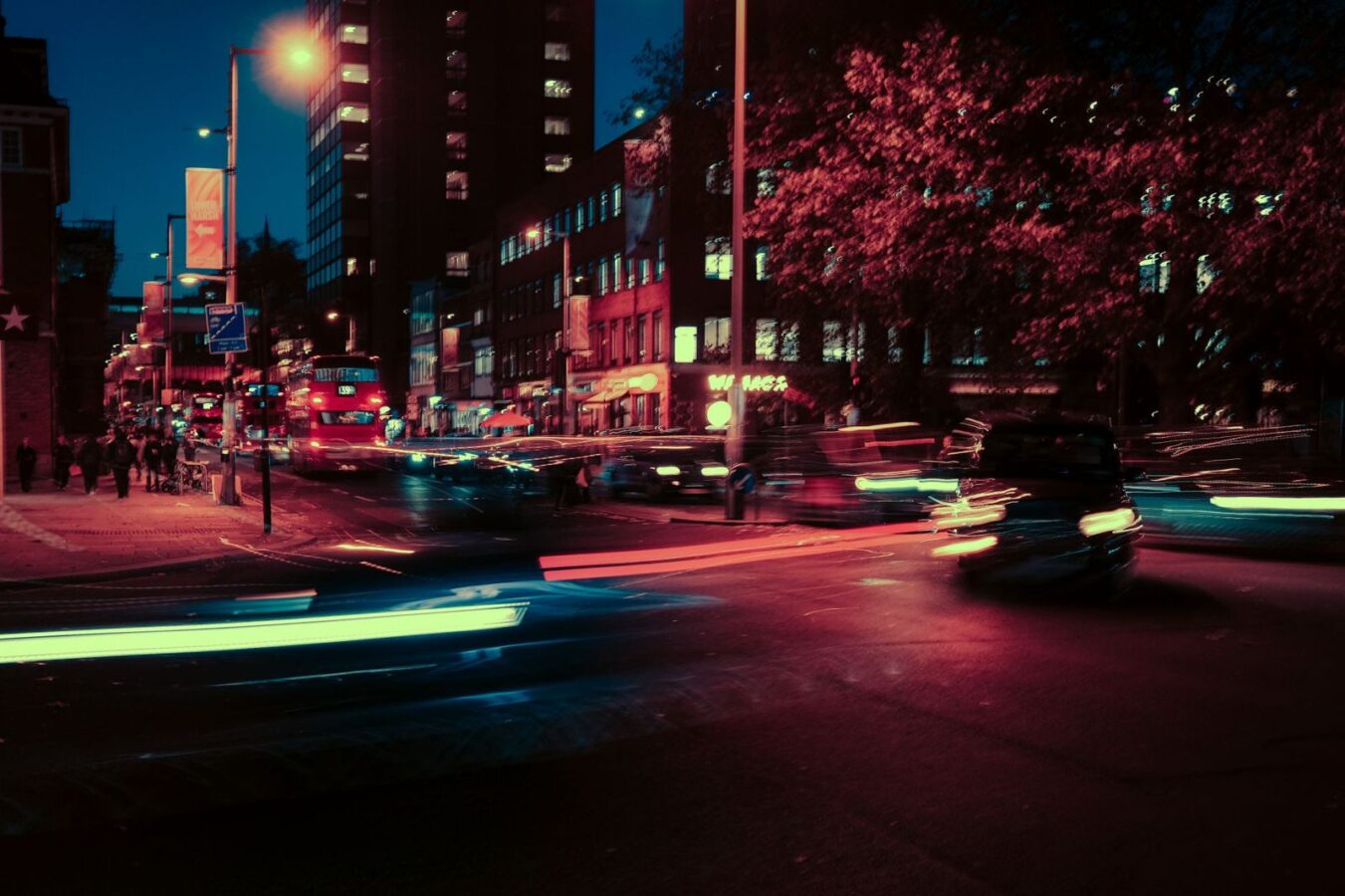
It sounds like a name dreamed up for a dance track, but Electric Avenue is real. It’s a street in Brixton, in South London, and it got its name for a very specific reason: it was the first market street to be lit by electricity.
Over the years, Brixton became home to a large community from the Caribbean. And in 1981 the neighborhood exploded: unemployment, poverty and racism boiled over into riots that left their mark on a whole generation in England.
Eddy Grant knew that story well. He was born in 1948 in Plaisance, in what was then British Guiana, and moved to London in 1960 as a boy. Back in the ’60s he had already had a taste of success with his band The Equals and the song “Baby, Come Back.” When he wrote “Electric Avenue,” he had what happened in Brixton in mind.
That’s the magic of it: the beat pulls you onto the dance floor, but the subject is serious. It’s about people who can’t make ends meet and the anger that comes with it. Rarely has a protest song been played at so many parties.
The street is still there, market and all. And more than forty years later, the song is still playing.
Subscribe
Song stories, rock legends and upcoming concerts, straight to your inbox. Free.